
The Analysis of sensations and the relation of the physical to psychical
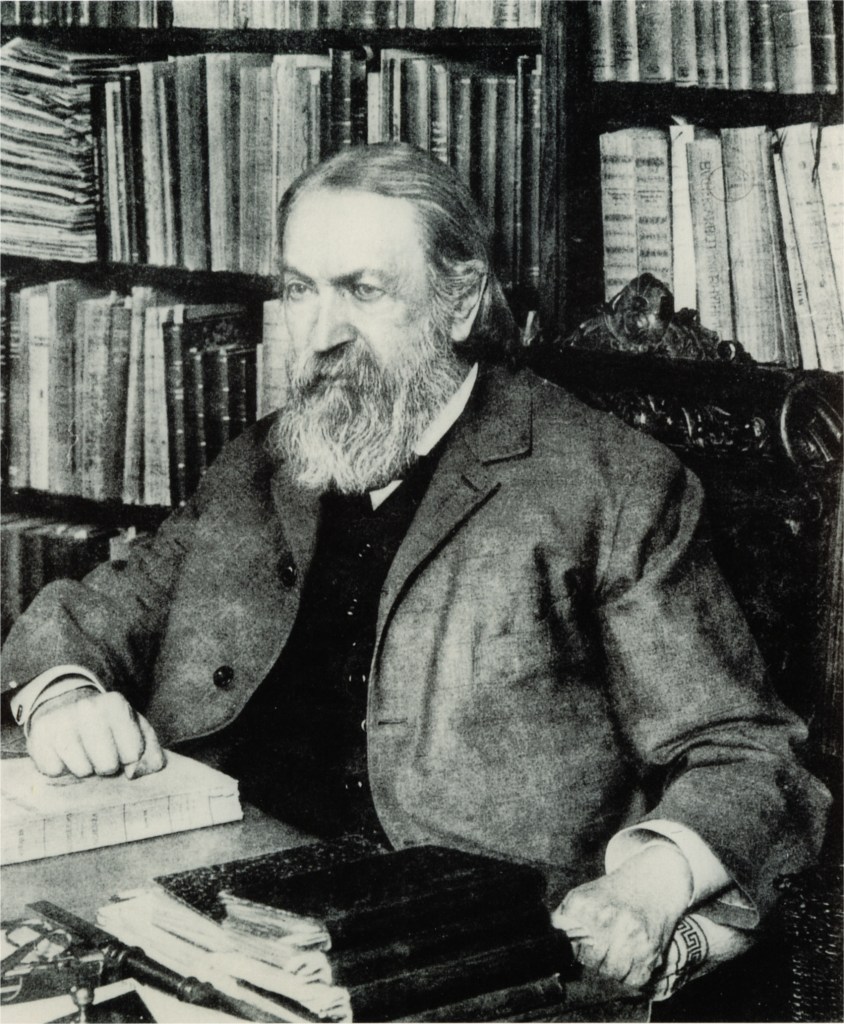
By Ernst Mach, 1897
A Summary: By Constantino Themelis
find the link to the original here: https://ia601408.us.archive.org/31/items/analysisofsensat00mach/analysisofsensat00mach.pdf
Mach begins by arguing that modern science has greatly shaped how we think about the world. However, assuming that physical methods can give us access to all knowledge would be a grand mistake (p. 1). While physics deals with relations we can measure, it only constitutes one part of the entire body of knowledge. Mach posits that by understanding the senses we can further analyze the experience upon which all physical knowledge rests.
Mach is what we might call a phenomenalist, believing that sensations (colors, sounds, and the like) are the fundamental datum of experience. The combination of these sensations become what Mach calls “complexes” or what we might call objects. There must be an established “thing” perceiving, according to Mach, in order for the sensations to be analyzable. This “thing” is what Mach calls the “ego”. So how does the ever economical Mach explain the ego without resorting to pure metaphysical, transcendent properties? Well, think about it like a table. A table appears as a relatively stable complex of sensations despite changes in lighting, temperature, and condition. Similarly, the ego is not a fixed, immaterial entity but a relatively stable complex of sensations and memories that changes over time. Continuity, rather than permanence, gives the ego its apparent identity. This ego entity contains the cognitive faculties allowing sensation analyzation and the ability for the humans to develop things like science.
Mach then turns to assessing the problems with metaphysics in relation to the ego he outlines. He elucidates that metaphysicians tend to treat objects like the ego as permanent entities. This permanency leads to the metaphysical mistake of assuming that there can be a thing-in-itself in our experience. Objects are merely complexes of sensations.
Traditionally philosophers distinguish between “appearance” and “reality”, however such a distinction does not hold up to muster for Mach. Think of a straight pencil placed in a glass of water and thereafter looking crooked. This illusion is just a different configuration of the senses under different circumstances. I.e. the sense which we experience changes based on the conditions upon which the light from the pencil in the water travels to our eyes. So, the pencil looking straight and bent are each facts of sensation and science can thus study these relations of sensation without the need for metaphysical distinctions like “appearance” and “reality”.
Furthermore, Mach dismantles the idea of the ego as a sharply defined subject distinct from the world, the distinction is purely practical. The ego belongs to one continuous mass of sensations, meaning that it can never be expanded to include the world itself.
Finally, Mach stresses that there is no unbridgeable gap between the physical and mental, there’s just different perspectives on the same phenomena. The distinction between the physical and “psychical” (sensations) does not make the two separate substances, rather they represent two different ways of relating elements. When we study an element or a phenomena and depend on the retina or say the nervous system, it represents a psychical relation.When the sensation is dependent upon physical elements, we can call it a physical property.
Mach warns that the linguistic habits of scientific inquiry often hinder it’s progress. When scientists use words like ‘matter’, ‘ego’, or ‘cause’, they often take these to be metaphysical, pure concepts, when in reality they were created for practical purposes, for ease of linguistic designation. He gives an example from his studies in physics, the concept of ‘substance’. Originally it was created as a concept to represent the enduring carrier of properties, which has lent philosophers of science to unnecessary metaphysical debate.
The habit of our scientific language (and language in general) makes us assume that there is some metaphysical entity behind different attributes of objects like color or sound, when in fact the entity is the attributes themselves. This projection which arises from our use of natural language leads to what Mach calls pseudo-problems. Pseudo-problems arising from the postulation of metaphysical entities will be a focal point of the Logical Empiricist movement and talked about at length by both Schlick and Carnap, among others. Some pseudo-problems in philosophy include the relation between substance and attributes and mind-body problem.
Mach’s empirical program, like that of most Logical Empiricists moving forward, focuses on observable relations among sensations as the way to dissolve these pseudo-problems. Science is not in the business of introducing superfluous entities which complicate the explanation of the world, especially if we cannot verify their existence using our senses.
He also critiques the instinctive human tendency to privilege the ego as a central reference point. This leads to anthropocentric illusions, where we mistake subjective structures for objective features of the world. Instead, Mach suggests that we treat the ego as just another complex of sensations among others.
By stripping away these preconceptions, like the instinctive human tendency to privilege the ego, which leads to anthropocentric illusions like subjective structures being objective in the world, science can do what it was always meant to do. What is science meant to do according to Mach is describe the connection of elements in experience in a coherent and economical fashion. Theories cannot be truths about the hidden realities of the world, they are our tools for organizing our sensations. Mach’s anti-materialism would be a great point of contention in Logical Empiricist circles of the future. His views even got the attention of one Vladimir Lenin, who tore Mach’s views to shreds for what he perceived as pure solipsist.
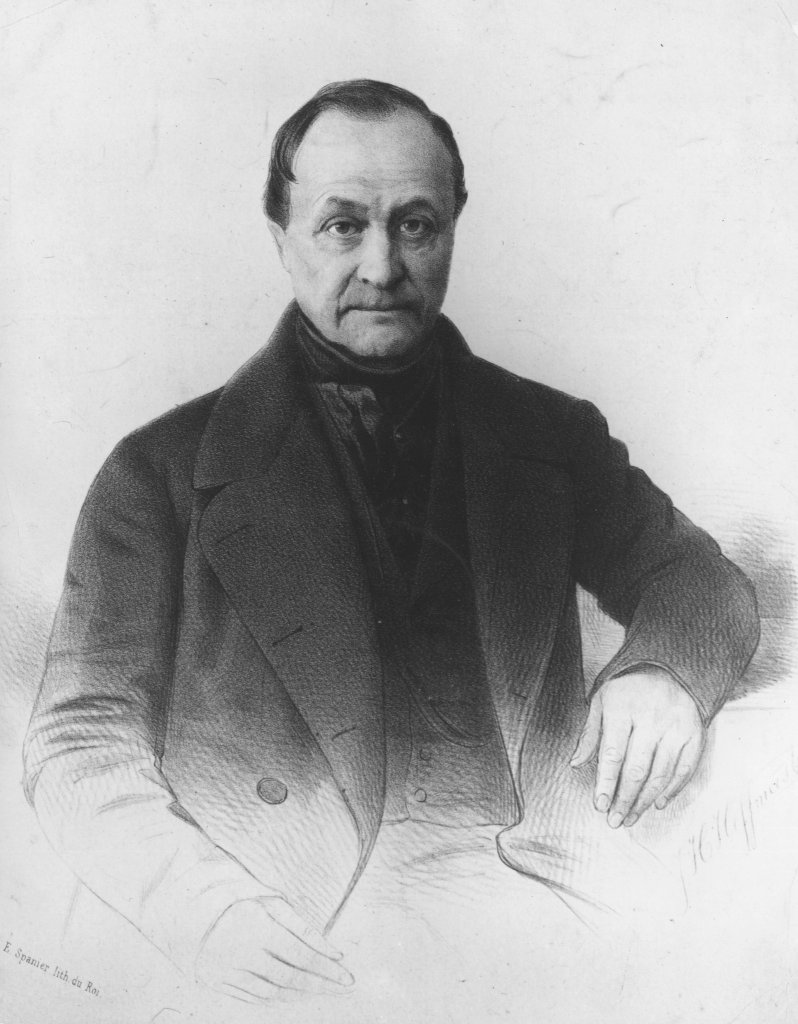
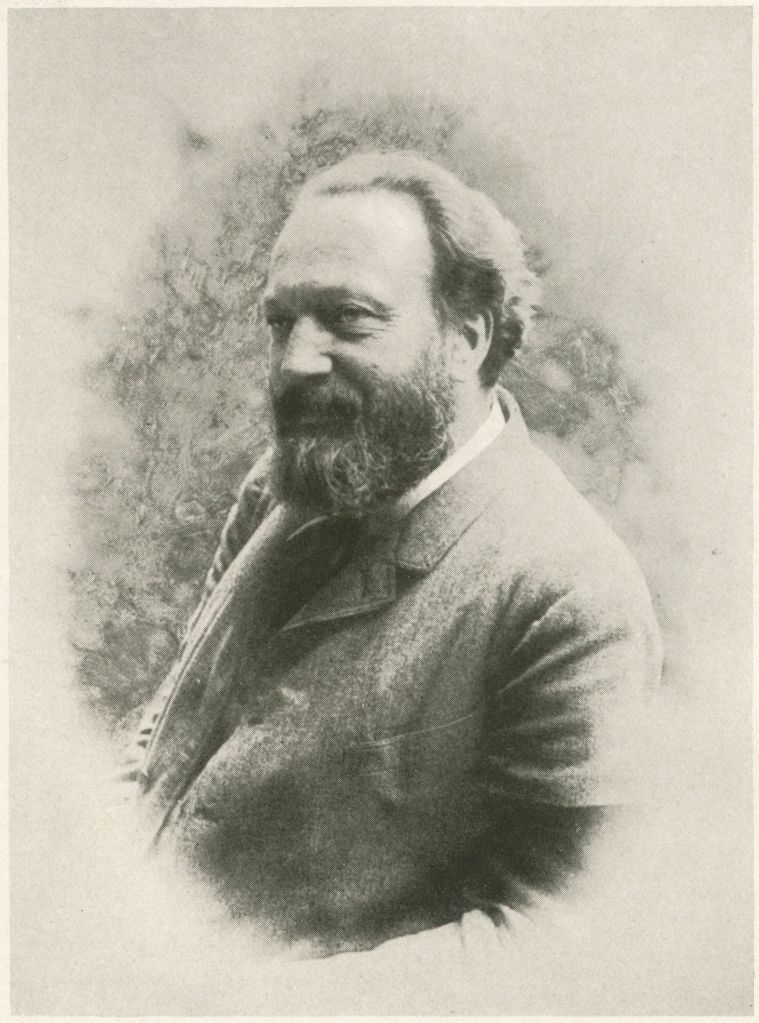
Mach believed that he was a part of the natural philosophical trend and development toward empiricism and positivism, started by thinkers like David Hume and Augsute Comte. Hume and Comte’s focus on experience as the first and foremost criterion of knowledge inspired Mach and he believed himself to be a part of their philosophical tradition. Furthermore, Mach aligns himself with Richard Avenarius, an earlier philosopher of science who too believed that descriptive experience is the only valid form of knowledge acquisition. He notes his appreciation of philosophy of immanence but makes clear his devotion to scientific practice as the basis for his philosophical methodology.
Finally, Mach comes back around to Kant’s thing-in-itself, arguing as Schlick will do, that the existence of objects is implied in our designation of them (with linguistic names in Schlick’s case). Therefore, Mach posits that there is no need to posit unknowable reality beyond sensation. The anti-metaphysical theater has been constructed by Mach, with the Logical Empiricists of the 20th century waiting to take center stage.
 logicalempiricism.org

.jpg)
.jpg)